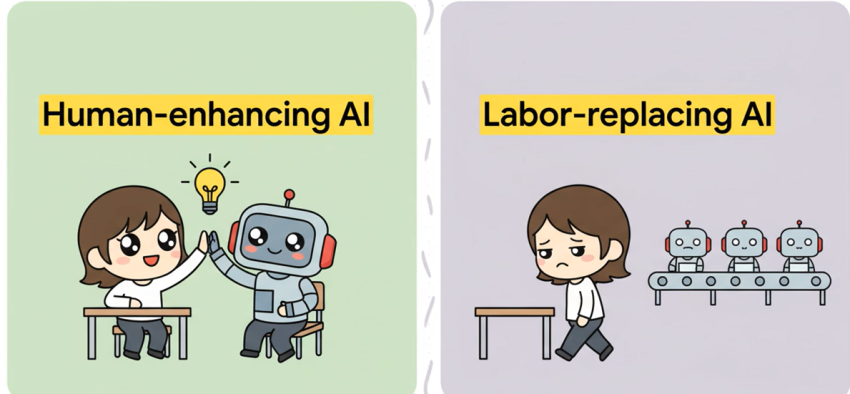
This paper examines the strategic use of artificial intelligence by public sector to revamp government services and achieve more efficient operations. The adoption of AI can lead to substantial results, such as better fraud detection and a reduction in human work through automation of administrative procedures. However, the writers draw attention to main issues, e.g. shortage of digital skills and weak legal systems in low-income countries. The report proposes human-centered management and setting up innovation hubs as the means of which programming bias and privacy violation can be handled. Legislators should finance not only digital infrastructure but also ethical monitoring in order to guarantee that the latest technological developments are the means to balanced economic growth for all. To sum up, the World Bank points out the necessity of the whole-of-government approach to covering the digital gap and developing public organizations characterized by transparency and accountability.
Watch the whole report in Video